Our bodies constantly need some sodium to function properly. This means that salt is, to some extent, healthy. However, it is very easy to cross the line of moderation and consume too much salt, resulting in dangerous levels of sodium.
In this article, we will introduce the consequences of consuming too much sodium as well as healthy alternatives that can enhance the flavor of food without the risk of eating too much sodium.
The Requirements of Sodium
Sodium is essential for the body for a few different reasons. With the right amount, sodium helps regulate the balance of fluids in the body and supports the function of nerves and muscles.
The kidneys are responsible for filtering out waste and excess minerals, including sodium, from the body. If there is too much sodium in the body, then the kidneys will help eliminate it via urination. If there is a lack of sodium, then the kidneys will help the body retain a healthy amount instead.
Although the kidneys provide a buffer for the amount of sodium our bodies can handle, it is still rather easy to push the limits.
Part of this is because the body needs a constant, proper supply of both sodium and potassium. If there is too much potassium or sodium relative to the other, the whole system will be out of balance, and health problems can arise.
If you are consuming too many foods high in sodium without balancing your diet by eating foods high in potassium, you are putting yourself at risk of problems.
Our experts recommend a daily intake for adults of no more than 2,800 mg of sodium—the amount in about one teaspoon of regular salt.
Children younger than age 14 should aim for even less. Infants under a year old get all the sodium they need in breastmilk or formula. Doctors urge parents never to add any table salt to an infant’s milk or food. This is because their kidneys are still developing and lack the filtering capability of more mature kidneys, which is why a child of any age should eat less sodium than an adult.
The Dangers of Sodium
It is possible to tip the scales and eat too much potassium compared to sodium, but the more common problem (particularly in the United States) is consuming too many salty foods due to their nearly addictive flavor.
“Addictive” is not an exaggeration since salt is one of the substances easiest to crave.
We are instinctually inclined to enjoy salt since we need sodium to survive, but oftentimes we take it too far. A diet with too much salt throws off sodium-potassium balance, and a number of health issues can arise rather rapidly. It is the kidney’s job to regulate the levels of minerals in the blood and prevent sodium levels from getting too high. If the kidneys are overloaded with sodium, however, more sodium is concentrated in the blood.
High levels of sodium in the blood attract water and increase the volume of the blood. An increased volume of blood can increase blood pressure and put stress on the heart, which increases the risk of heart disease and heart attack.
Alternatives to Salt
Fortunately, there are different ways to properly maintain the amount of sodium levels in your diet. An easy way to cut down on salt is to replace salt with various herbs and spices.
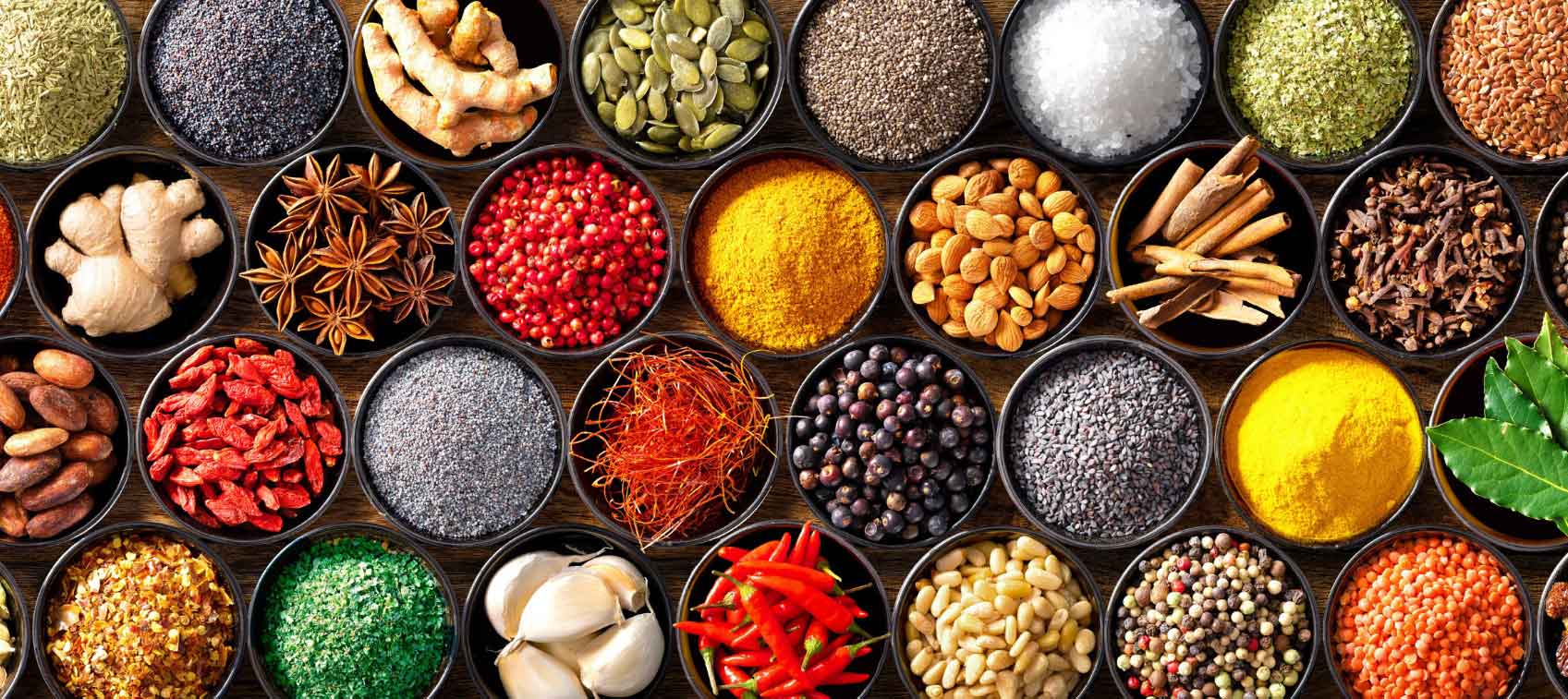
Spices and herbs excite your taste buds in a similar way that salt does, but without increasing sodium intake. Dill, ground pepper, basil, oregano, paprika, rosemary— the list of possible herbs and spices is endless, and all of them offer unique flavors that will begin to reduce the need for salt.
Another alternative to salt is obvious, but not always so easy to accomplish—consume less salt. This is a sure way to begin to balance the levels of sodium in the body. But cutting salt out of the diet completely can be difficult and unhealthy if there is not some source of sodium in the diet.
Instead, the goal should be to moderate the amount of salt intake at each and every meal. Make sure to do your research and be aware of which foods are high in excess sodium and which foods are low. Every packaged product in a grocery store should contain a label that lists the contents of its food, including the level of sodium. Learning to check labels more frequently can be essential in improving your diet.
Some foods are naturally salty, meaning eating them will always ensure that at least some sodium is consumed. Other foods include salt as an added ingredient, meaning the amount can vary depending on the food.
Foods like cheese, pickles, olives, pizza, canned soup, and deli meats contain a fairly high level of salt. On the other hand, foods like bread, sandwiches, condiments, and cereals will all vary in levels of sodium depending on the ingredients used to make them.
Salt Substitutes
You can control your extra sodium intake without giving up some of your favorite foods by choosing alternatives and decreasing how much salty food you eat.
Potassium chloride tastes similar to sodium chloride (table salt). Because of this, many people prefer to use salt substitutes containing potassium chloride.
While potassium chloride may help cut down on sodium intake and improve the potassium-to-sodium ratio, experts say that this may not be entirely safe for some people
Many people with heart or kidney issues may not be able to tolerate the extra dose of potassium. It is vital to see a doctor before using salt substitutes so that the doctor can examine your electrolyte levels and your current and past medical history.
In Conclusion
Sodium is an essential mineral, but it is important to maintain a healthy balance of sodium and potassium. You can do this by adding less salt to your foods, cutting back on processed foods that contain a lot of sodium, eating more potassium-rich foods, and possibly using potassium chloride salt substitutes.
We hope you found this article insightful! Click here if you would like to explore any of Healthy Direction’s topics.
Sources:
The Role of Potassium and Sodium in Your Diet | CDC
Can Salt Substitutes Lower Sodium Intake? | Cleveland Clinic